House Calls – Why Bringing Care to the Patient Is No Longer Optional
Getting people through the door used to be the hard part-now you’re fighting for clicks and footfall at the same time. Even if you’ve nailed the website, the reviews, the window display, and the in‑store experience, there’s a bigger, simpler way to expand your reach without opening another shop: take your practice to the patient with a mobile unit.
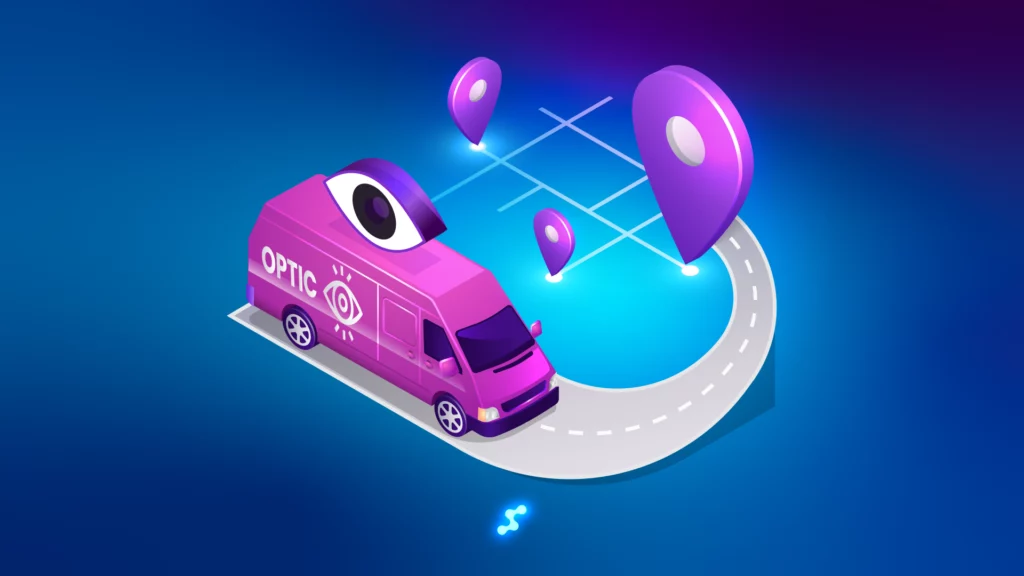
Beyond the practice walls
In every major city, menus come to your door, trainers deliver sessions in the park, and eye care, once location‑bound, is going the same way. On‑demand living has changed patient expectations globally-fewer people are willing to wait, travel, or rearrange a day for a routine exam or fitting unless it fits their timetable and comfort. That shift isn’t regional; it’s everywhere.
Mobile opticianry once solved distance and infrastructure gaps in remote areas; now, busy families, elderly residents in towers, and office teams want at‑home or on‑site visits as a preference, not a last resort. Digital booking and remote triage are standard; the next step-personal optical visits-is now common across continents.
Mobile care: the reality, not the hype
There’s noise online about patients sending “selfie” eye photos for diagnosis, but professionals know the real leap is trained mobile teams with proper equipment-portable fundus cameras, auto‑refractors, lens meters, curated frame kits-backed by clean documentation and secure records. Patient‑taken images may help triage for simple anterior issues, but diagnostic reliability and responsibility still require trained personnel and appropriate devices.
In other words, mobile isn’t a downgrade; it’s your shop, delivered on wheels. Same standard, same notes, same outcomes-just done where the patient prefers.
Global demand, local opportunity
- Time wins: Whether in Lagos, Toronto, Dubai, or Bangkok, lives are packed. Commuters, remote workers, and parents want services that eliminate downtime. Mobile opticianry fits lives that no longer bend to a high street schedule.
- Inclusion and access: City tower blocks and remote townships face different constraints, but the call is the same-reach the elderly, those with disabilities, or anyone shut in by illness, weather, or patchy transport.
- Premium, not just stopgap: From luxury house calls to employer‑sponsored pop‑ups, patients pay for flexibility, at‑home frame selection, and out‑of‑hours slots-driving margin growth beyond walk‑ins alone.
Corporate and campus demand: Workplaces and schools engage optical teams to bring vision testing and consultations on‑site-a dependable new pipeline you can’t access from a fixed address.
Test Glasson for 7 days free of charge
Any questions? Leave your contact details and we'll call you back.
The true hybrid: practice + mobile + digital
The most resilient optical businesses in 2025 run hybrid-combining robust brick‑and‑mortar, mobile outreach, and seamless digital record‑keeping. A practical journey might look like:
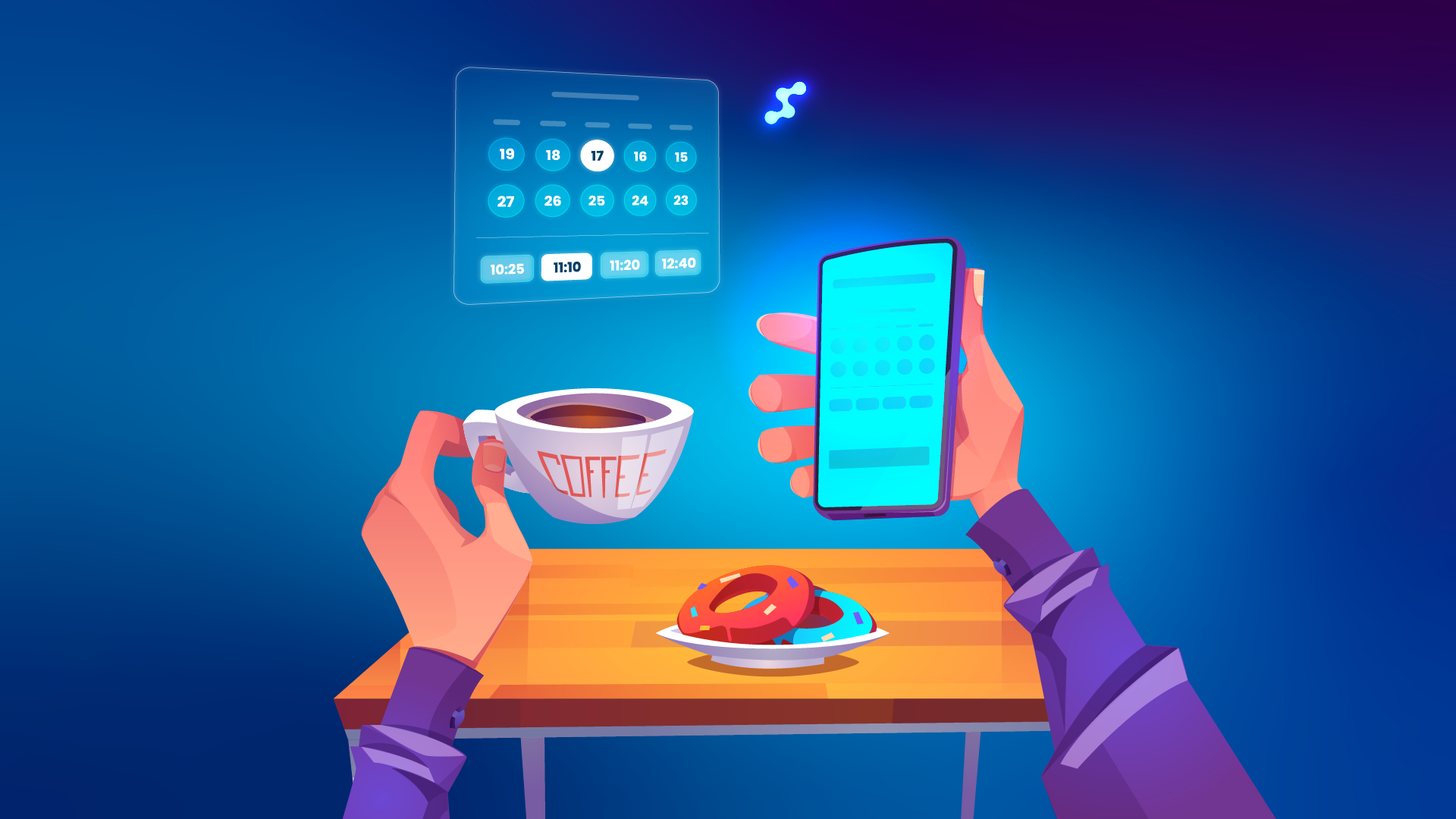
- Discovery and triage: Patient finds you online and books home, office, or in‑practice via your site or app. Medical history and consent were captured digitally for a clean handover.
- Mobile encounter: Technician or optician visits, performs the required examinations, records images and notes, and fits frames on location-synchronising instantly to the patient record.
- Consultation and aftercare: If needed, a quick video call connects the patient and optometrist; new specs or lenses are delivered to their door, with follow‑up handled remotely or in person as appropriate.
For modern practice management that helps coordinate shop appointments alongside mobile visits and centralises client records and invoicing, visit glasson.app. This keeps your diary, patient details, and documentation in one place.
What can be done mobile-safely and well?
- Routine vision assessments: Auto‑refraction, subjective refinement, acuity checks, binocular tests, and in‑home frame selection with digital measurements.
- Diabetic retinopathy and glaucoma monitoring: Retinal imaging (with portable cameras) and IOP checks by trained staff; clinician review scheduled virtually or in practice as needed.
- Contact lens follow‑ups and troubleshooting: Anterior segment checks and comfort assessments without using a chair in the store; escalate when appropriate.
- Post‑op reviews and elderly care: Visual function checks, basic imaging, comfort assessments, and medication adherence-delivered where the patient lives to reduce missed follow‑ups.
Where to draw the line?
Mobile complements the practice; it doesn’t replace the full scope.
First‑time complex diagnoses and urgent red‑flag presentations belong in controlled settings.
Any case with sudden vision loss, severe pain, or acute trauma should be directed immediately to appropriate clinical care.
Want to see Glasson's full potential?
Book a presentation
Practical challenges and the big payoff
Challenges:
- Routing teams efficiently across dense cities or wide geographies, avoiding gaps between visits.
- Power, connectivity, and equipment upkeep in varied environments; keeping kit safe and ready.
- Ensuring clinical standards and documentation match in‑store benchmarks; training for consistency.
Benefits:
- Fewer no‑shows by meeting patients where they are.
- Higher satisfaction among hard‑to‑reach groups and stronger local reputation.
- Differentiation from chains and online‑only disruptors with an experience they can’t easily copy.
- New income streams: premium home services, workplace screening, and aftercare add‑ons.
Five smart moves that work in the real world
- Don’t limit your pitch: Offer mobile to office blocks, care homes, hotels, schools, and event organisers-not just households.
- Lead with a professional kit and privacy: Patients everywhere care about expertise and data security; show credentials, consent process, and secure digital workflows on every visit.
- Tier your offer: Build clear packages-fast‑track refraction, in‑home styling, urgent out‑of‑hours repairs-and price for responsiveness.
- Automate recall and reminders: Personalised follow‑ups keep both mobile and in‑practice clients engaged; segment by condition and device to stay relevant.
- Train for the experience: Your mobile team is your brand; invest in communication, standardised clinical checklists, and troubleshooting in the field.
For examples of how optical teams streamline scheduling, client data, and messaging across multiple channels, see Glasson.app
7-day free trial
Got Any Questions? Let us know in the Contact Us form below.
Equipment and cost considerations
- Core portable kit: Auto‑refractor/keratometer, handheld tonometer, portable fundus camera, lens meter, PD device or digital measurement tool, curated frame selections, and a reliable power bank.
- Data and devices: Secure laptop or tablet with offline capability and automatic sync to your practice system; consent capture and photo provenance (who/where/when) embedded in the record.
- Logistics: Vehicle storage, anti‑theft cases, protective packaging for frames and demo lenses, realistic route planning, and time buffers.
- Return on investment: Reduce no‑shows and cancellations; monetise convenience; open corporate and community channels; increase lifetime value through better retention and at‑home add‑on sales.
Team design and scheduling that actually works
- Start with one mobile “pod”: one clinician, one technician/driver, and a two‑hour daily window reserved for home or workplace visits.
- Use a rolling radius: cluster visits by postcode or district; publish mobile slots that move around the map weekly to build awareness.
- Make the shop your hub: same‑day pickup, quick adjustments, and emergency repairs remain in store; mobile handles planned visits and high‑value convenience.
- Measure the right things: mobile utilisation, travel time ratios, rebook rate, satisfaction score, and incremental revenue per route.
What patients expect (and what breaks trust)
- Make the process simple: clear booking, tight time windows, arrival texts, on‑the‑spot payments, and instant receipts.
- Communicate like a human: use names, recap findings in plain language, explain next steps and when to escalate.
- Show visible privacy and hygiene: clean kit, consent prompts, and secure device handling.
- Keep your promises: if you advertise “results by 5 PM,” deliver them-reliability is your strongest marketing.
Where is this heading?
- AI‑assisted triage and imaging will help mobile teams prioritise urgent cases without replacing clinical judgement.
- Employers and community organisations will increasingly procure on‑site programmes as a standard benefit.
Mobility will become a core brand pillar-“we come to you” as normal as “we accept walk‑ins.” what inspired their visit or purchase.

Closing thought
Patients aren’t avoiding you-they’re avoiding friction. A mobile unit is the fastest way to remove it. Whether you’re serving high‑rises or hinterlands, bringing the same standard of care to where people live and work will set you apart now and keep you indispensable as habits continue to change.
For modern practice management that’s portable on any device and in any location-so your team can work smoothly in the shop, on the road, or at a patient’s home-visit glasson.app.